

Back to Blog
What to Do If Your Car Overheats (And How to Prevent It)
May 29, 2026
Keeping Your Engine Cool: What to Do If Your Car Overheats
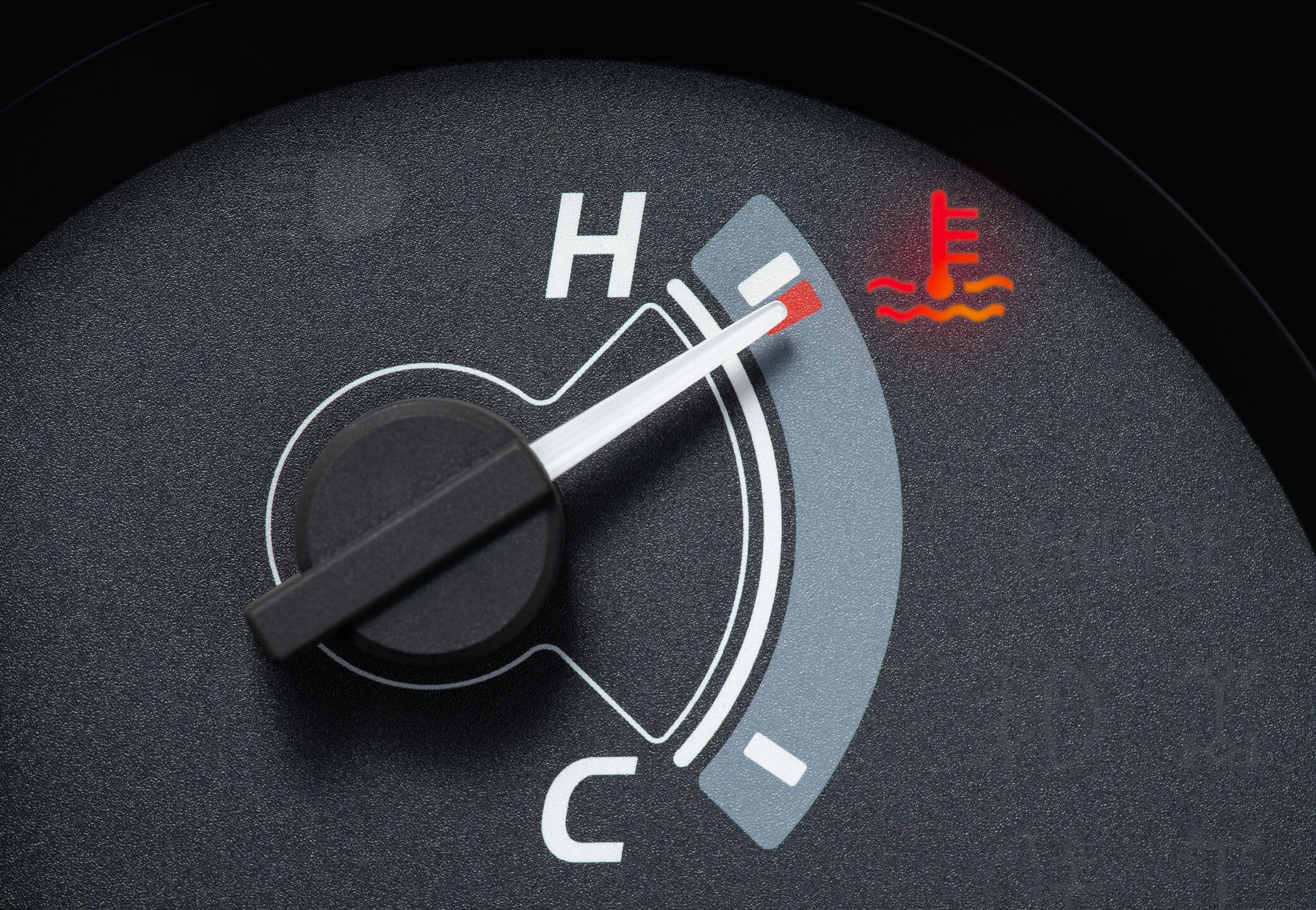
A rising temperature gauge is never something to ignore. An overheating engine can quickly lead to serious damage, costly repairs, and unsafe driving conditions if left unchecked.
At Southport Automotive Service, we’ve proudly helped Fairfield County drivers maintain safe, reliable vehicles since 1981. Our experienced technicians understand how critical a properly functioning cooling system is to your engine’s performance and longevity.
If your car overheats, here’s what you should do—and how preventative maintenance can help you avoid future breakdowns.
Immediate Steps to Take When Your Car Overheats
If you notice steam coming from under the hood or your engine temperature gauge climbing into the red zone, take these steps right away:
1. Turn Off the Air Conditioning and Turn On the Heat
It may seem counterintuitive, but turning on your vehicle’s heater helps draw excess heat away from the engine and can temporarily reduce engine temperature.
2. Pull Over Safely
Find a safe location away from traffic as soon as possible. Continuing to drive with an overheating engine can cause severe engine damage, including a blown head gasket or warped engine components.
3. Shut Off the Engine
Turn the engine off and allow it to cool. In many vehicles, leaving the ignition in the “on” position may keep the cooling fans running and help dissipate heat.
4. Never Open the Radiator Cap While Hot
Your cooling system is pressurized. Opening the radiator cap before the engine cools can release scalding coolant and steam, causing serious burns. Wait at least 30 minutes before inspecting under the hood.
Common Reasons Your Car Is Overheating
An overheating vehicle is often a sign of a larger issue within the engine cooling system. Some of the most common causes include:
Low Coolant Levels
Coolant leaks from hoses, the radiator, water pump, or other components can prevent proper temperature regulation.
Thermostat Failure
A stuck thermostat can block coolant circulation, causing rapid heat buildup in the engine.
Radiator Problems
Clogs, corrosion, or debris buildup inside the radiator can reduce its ability to dissipate heat effectively.
Cooling Fan Issues
Faulty radiator fans may fail to keep airflow moving through the cooling system, especially during stop-and-go traffic.
How to Prevent Your Engine From Overheating
Routine maintenance is one of the best ways to avoid overheating problems and extend your vehicle’s life.
Schedule Routine Coolant Flushes
Over time, coolant breaks down and becomes less effective at regulating engine temperature. A professional cooling system flush helps remove rust, debris, and buildup while restoring cooling efficiency.
Inspect Hoses and Belts
Cracked hoses, leaks, or worn belts can lead to sudden cooling system failures. Regular inspections help identify problems before they leave you stranded.
Monitor Coolant Levels
Checking your coolant reservoir periodically can help you spot leaks early. If you find yourself frequently adding coolant, it’s important to have your vehicle professionally inspected.
Stay Current on Preventive Maintenance
Regular inspections from a trusted automotive repair shop can identify cooling system issues before they become major engine repairs.
Trusted Auto Repair and Cooling System Service in Fairfield County
At Southport Automotive Service, our family-owned shop has provided trusted automotive repair and preventative maintenance services to Fairfield County drivers since 1981. From cooling system diagnostics and radiator repairs to complete engine service, our experienced team is committed to keeping your vehicle running safely and efficiently.
If your car is overheating or showing signs of cooling system trouble, don’t wait for a breakdown. Contact Southport Automotive Service today to schedule an inspection or cooling system service appointment.
Recent News

The Complete End-of-Summer Vehicle Maintenance Checklist for Fairfield County Drivers
August 31, 2026

Spring Car Care Myths Busted: What Fairfield County Drivers Really Need to Know
February 24, 2026

How to Know When It’s Time to Replace Your Tires
November 21, 2025

Essential Back-to-School Car Maintenance Tips
August 21, 2025

How to Maximize Your Car’s Fuel Efficiency
May 30, 2025
The Importance of Regular Vehicle Inspections in Winter Months
February 28, 2025